

How to Choose 12mm, 15mm, 18mm and 25mm Table Tennis Tabletop Thickness
Many buyers pick tabletop thickness by price only. That creates weak bounce, short product life, and poor buyer feedback after delivery.
Choose 12mm for home beginners, 15mm for schools and daily training, 18mm for clubs and gyms, and 25mm for professional matches. Each thickness serves a different user level, price point, and sales channel.
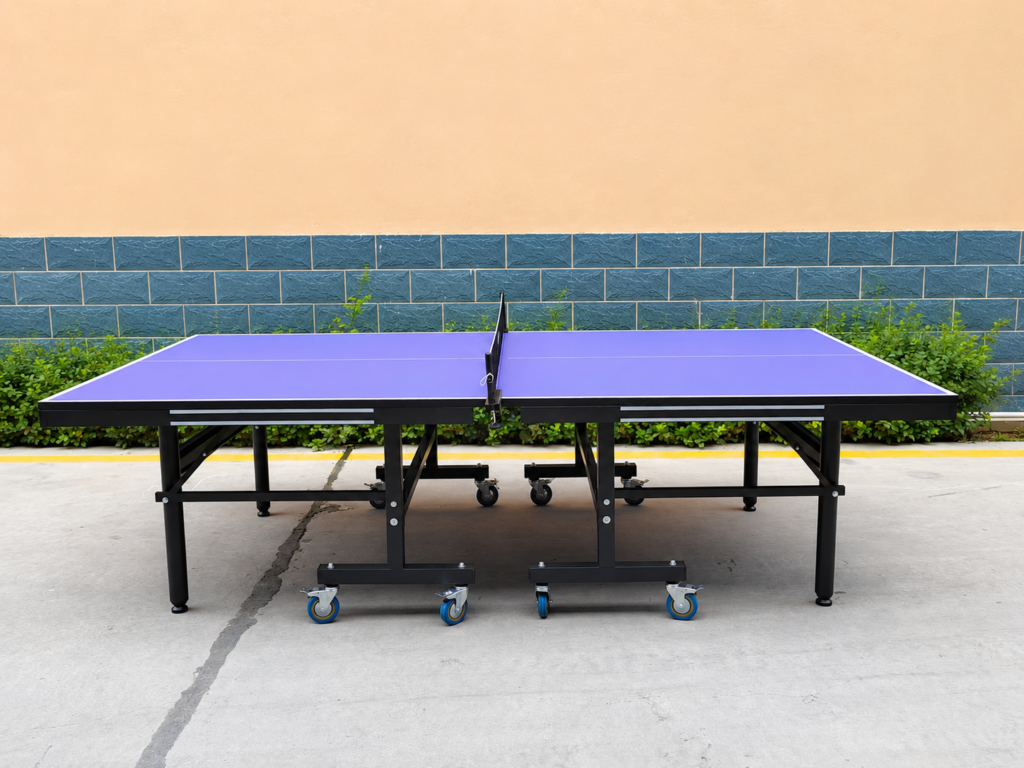
I use tabletop thickness as one of my main buying filters because it affects bounce, rigidity, product weight, cost, and end-user feeling. A buyer can sell a table with a nice color and strong packaging, yet players will judge quality right after ball contact. Here’s why. A 12mm tabletop may fit kids and family play, but it will not feel right for club training. A 25mm tabletop can give strong rebound, yet it may be too heavy and too costly for an entry-level retail program. So I never ask buyers to choose “thicker” without context. I ask where the table will be used, who will play on it, how often it will be moved, and what price range the market accepts.
| Thickness | Level Name | Main Use | Buyer Position |
|---|---|---|---|
| 12mm | Primary | Family, kids, entry users | Low-price retail |
| 15mm | Primary Plus | Schools, communities, daily training | Best value sales model |
| 18mm | Pro | Clubs, gyms, training centers | Higher-profit training model |
| 25mm | Pro Max | Matches, premium facilities | Professional use |
Why Does Tabletop Thickness Matter for Table Tennis Tables?
Many buyers treat tabletop thickness as a small spec. That mistake can reduce bounce quality, user trust, and repeat sales.
Tabletop thickness affects bounce performance, bounce consistency, rigidity, deformation resistance, durability, and playing feel. A thicker MDF tabletop usually gives a more stable rebound, but buyers still need to match thickness with user scene and budget.
How I Judge Thickness in Real B2B Orders
I treat tabletop thickness as a product-level signal. It tells me what kind of customer the table can serve. A 12mm tabletop can support basic family use. It keeps cost low, reduces weight, and helps buyers reach budget users. But it has limited bounce strength and limited rigidity. A 15mm tabletop gives a better balance. It suits schools, community centers, and daily practice. It also works well for mass-market sales because buyers can offer a better feel without moving into high-cost training products.
An 18mm tabletop enters a stronger training range. I see it as a good option for clubs, gyms, and training academies. It gives better rebound, stronger board feeling, and better resistance against long-term high-frequency use. It also offers higher profit space because buyers can sell it as a stronger training model. A 25mm tabletop sits at a professional level. It gives maximum rebound accuracy and ball feel. It also brings higher cost, higher weight, and stronger packing demands.
The key point for buyers is simple. Thickness should match customer use. If your market mainly buys for kids and families, 12mm may work well. If your customers are schools and communities, 15mm often gives stronger sales value. If your customers run clubs or gyms, 18mm gives a better business case. If your customers need tournament-level products, 25mm should lead your product plan.
| Factor | 12mm | 15mm | 18mm | 25mm |
|---|---|---|---|---|
| Bounce performance | Basic | Stable | Near professional | Professional |
| Bounce consistency | Medium | Good | Very good | Excellent |
| Rigidity | Low | Medium | High | Maximum |
| Deformation resistance | Low | Medium | High | Excellent |
| Durability | Basic | Good | Very good | Maximum |
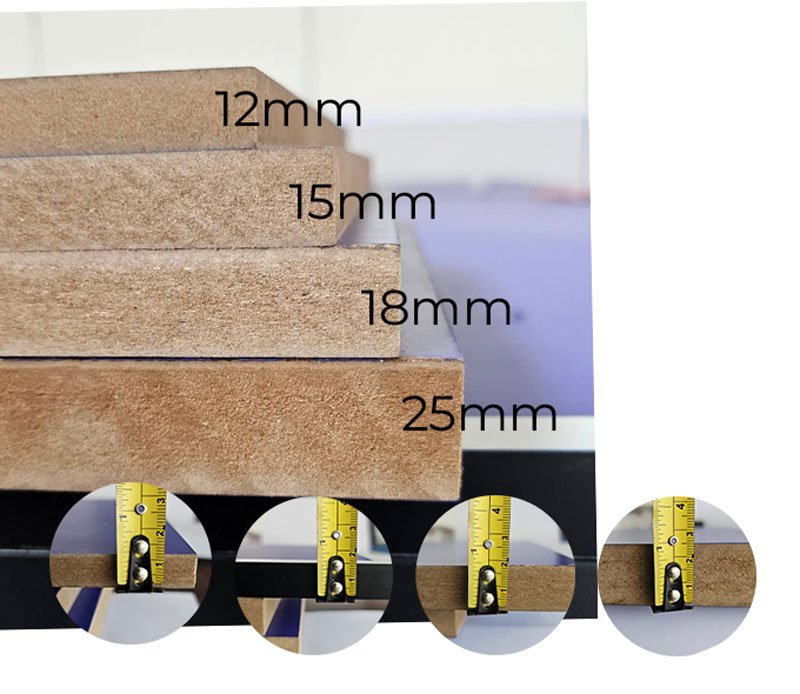
Is 12mm Tabletop Thickness Right for Home Entry-Level Buyers?
Some buyers sell family-use tables with club-level claims. That causes wrong expectations and unhappy customers.
A 12mm tabletop works best for kids, family play, entry-level users, and budget buyers. It gives low cost, light weight, easy storage, and enough performance for casual use.
%12mm table tennis tabletop for home entry level users
Show a lightweight foldable 12mm indoor table tennis table in a family home setting with kids playing casually.
Where 12mm Makes Sense
I use 12mm as an entry-level tabletop choice. It fits buyers who need a low-price model for family entertainment, children, beginners, and casual play. It can help a distributor build a basic product line without pushing cost too high. It also works for online sellers who need a lighter carton and easier handling. A lighter table can be moved, stored, and delivered with less pressure than a thick training table.
But I do not position 12mm as a serious training table. The bounce performance is average. The board has lower rigidity than 15mm, 18mm, or 25mm. Long-term high-frequency use can expose its limits. If a buyer sells 12mm tables to clubs or gyms, complaints may appear. Players may feel that ball rebound is too soft or uneven. This is not a factory defect in many cases. It is a mismatch between product level and user need.
For B2B sales, I would place 12mm in a clear budget segment. I would use simple sales wording such as “best for home beginners and kids.” That keeps customer expectations clean. A buyer can also pair 12mm with retail packaging, a basic net set, and simple folding structure. This creates a neat entry product for families. It should not carry premium claims.
| 12mm Buyer Point | My Recommendation |
|---|---|
| Best users | Kids, families, beginners, casual players |
| Main benefit | Low price and light weight |
| Bounce level | Basic |
| Sales position | Entry-level retail model |
| Risk | Not suitable for clubs or heavy training |
| Best sales line | Best for home beginners and kids |
Why Is 15mm a Strong Choice for Schools and Community Sales?
Many buyers need a table that feels better than entry level but still keeps a friendly price.
A 15mm tabletop offers a strong balance between price, bounce, durability, and mass-market acceptance. It works well for schools, community centers, home training, and daily practice.
Why I Often Recommend 15mm for Volume Sales
I see 15mm as a safe middle option for many wholesale buyers. It gives better bounce than 12mm. It still keeps cost under control. This makes it attractive for schools, community centers, home training, and mass-market channels. Many buyers need a table that looks reliable, plays better than a basic home model, and still fits local price demand. 15mm can meet that need.
For schools and community centers, daily use matters. Users may not be professional players, but they play often. A 15mm tabletop gives stable and reliable rebound for routine practice. It can serve beginners and amateur players without feeling too weak. It also helps distributors sell a better product story. They can position it as “best-selling model for schools and daily training,” which is easy for buyers to understand.
I also like 15mm because it gives flexibility. A retailer can sell it to home users who want better quality than entry-level tables. A school supplier can quote it for indoor training rooms. A distributor can use it as a core model in a catalog. It sits in a practical price zone and can generate steady volume. For many markets, 15mm becomes the main product because it balances cost, performance, and customer acceptance.
Buyers should still check frame strength, surface finish, carton design, and folding safety. A 15mm tabletop needs matching support. If frame structure is too weak, bounce and user confidence suffer. A strong 15mm product with good packaging can become a very useful sales model.
| 15mm Buyer Point | My Recommendation |
|---|---|
| Best users | Schools, communities, home training, mass-market buyers |
| Main benefit | Best balance between price and performance |
| Bounce level | Stable |
| Sales position | Core sales model |
| Risk | Weak frame can reduce user feel |
| Best sales line | Best-selling model for schools and daily training |
When Should Buyers Choose an 18mm Tabletop?
A buyer may lose training-center orders if tabletop bounce feels too soft or frame support feels weak.
An 18mm tabletop fits clubs, gyms, training academies, and high-frequency practice. It gives higher rigidity, better bounce consistency, stronger durability, and near-professional playing feel.
Why 18mm Works for Training Channels
I use 18mm as a training-grade option. It gives stronger rigidity than 12mm and 15mm. It also creates a more stable and uniform bounce. This matters for clubs, gyms, training centers, and academies because users play more often. They also judge table quality faster than casual home users. If bounce feels unstable, they notice it right away.
An 18mm tabletop gives a playing feel close to professional standards without entering the full cost level of 25mm. That makes it very useful for non-tournament training environments. Clubs can use it for regular practice. Gyms can place it in sports rooms. Training academies can use it for repeated daily sessions. Buyers can also sell 18mm as a higher-profit model because it has a clear value story. It is not just thicker. It feels stronger and lasts better in frequent-use settings.
This thickness also helps buyers build a better product ladder. They can offer 12mm for family use, 15mm for schools, and 18mm for clubs. This creates clear choices for customers. It also gives sales teams simple RFQ replies. If a customer asks for table tennis tables for clubs, 18mm becomes an easy recommendation.
But 18mm needs better frame support. A stronger board creates more weight. The carriage system must handle that weight. Wheels, locks, hinges, and support rails need proper structure. I always check folding stability and movement safety before suggesting 18mm for larger orders. A good 18mm table can become a strong profit model. A weak 18mm table can still fail if frame and hardware are poor.
| 18mm Buyer Point | My Recommendation |
|---|---|
| Best users | Clubs, gyms, training academies, professional practice |
| Main benefit | Near-professional performance |
| Bounce level | Very good |
| Sales position | Higher-profit training model |
| Risk | Needs stronger frame and carriage system |
| Best sales line | Near-professional level for clubs and high-frequency use |
Why Is 25mm Used for Professional Matches and Elite Training?
Some premium buyers will not accept soft rebound or light board feeling. They need maximum consistency and table stability.
A 25mm tabletop is the standard choice for professional competition-level indoor tables. It provides the highest bounce consistency, best ball feel, maximum rigidity, and strongest performance for elite training and tournament venues.
Why 25mm Belongs in Premium Programs
I position 25mm as a premium indoor tabletop choice. It gives the strongest board feeling among these four common thickness levels. Rebound is more consistent. Ball contact feels sharper and more stable. Serious players can feel the difference. For professional athletes, tournament venues, national team training rooms, and premium sports facilities, this thickness matches higher performance demands.
A 25mm tabletop also improves product image. It gives buyers a stronger premium story. When a distributor quotes a high-level training project, 25mm can support a stronger price. It also helps sellers target venues that need professional-grade equipment. This thickness can make sense for high-end schools, elite clubs, competition halls, and government sports projects.
But buyers should understand its trade-offs. A 25mm tabletop is heavy. It raises product cost and packing demand. It also needs a stronger steel frame, safer folding system, better wheels, and stronger carton protection. If a buyer only upgrades board thickness without upgrading frame structure, product balance can suffer. A heavy board on a weak carriage system can create safety and movement issues. So 25mm should be treated as a full product system, not only a panel upgrade.
I suggest 25mm only when end users can pay for it and really need it. If your market mainly serves home users, 25mm may be too much. If your market sells to clubs, professional training sites, and match venues, 25mm becomes a strong option. It is not a volume model for every market. It is a premium model for the right buyer group.
| 25mm Buyer Point | My Recommendation |
|---|---|
| Best users | Tournament venues, national teams, professional players, premium facilities |
| Main benefit | Highest bounce consistency and best ball feel |
| Bounce level | Professional |
| Sales position | Premium and match-use model |
| Risk | Higher cost, higher weight, stronger packing demand |
| Best sales line | Tournament standard for professional competition |
How Should Buyers Compare 12mm, 15mm, 18mm, and 25mm Tabletop Thickness?
Many RFQs ask for one low price. That hides real differences in bounce, market level, and profit plan.
Buyers should compare 12mm, 15mm, 18mm, and 25mm by usage scene, bounce, rigidity, deformation resistance, weight, durability, cost, and sales volume. Each thickness has a clear market role.
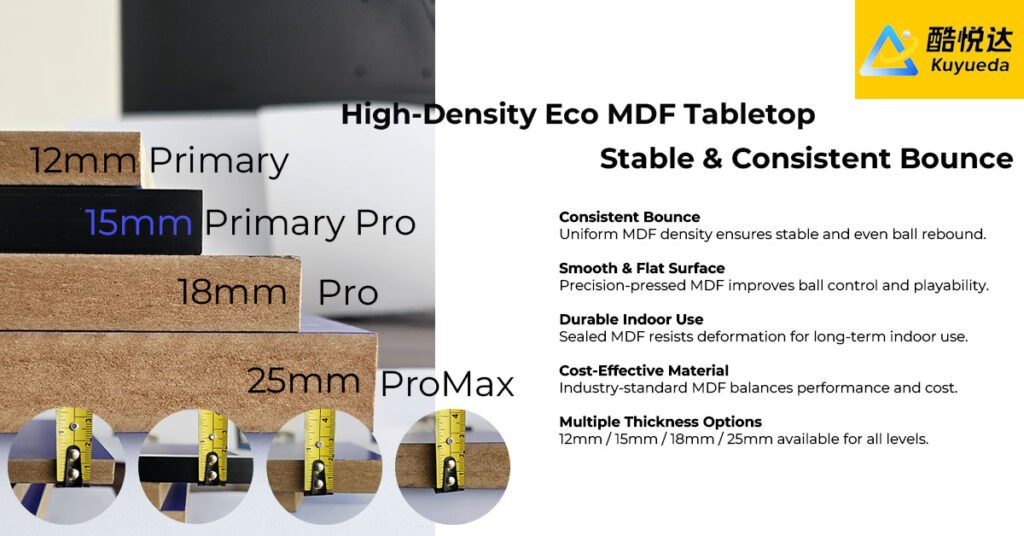
My Practical Comparison Method
I do not compare thickness by one factor only. I compare it by buyer channel. A 12mm tabletop has the lowest cost and lightest handling. It works for home users, kids, and entry-level customers. Its sales value comes from affordability. It should not be sold as a training product.
A 15mm tabletop gives the best value for many volume buyers. It gives stable bounce, better durability, and stronger customer acceptance. It is often a core model for schools, communities, and mass-market sales. If a buyer asks me for one thickness for general indoor sales, I often start with 15mm.
An 18mm tabletop gives stronger performance. It fits clubs, gyms, training academies, and high-frequency use. It gives higher profit potential because buyers can sell it as a training-grade product. The product also needs better support frame and wheels.
A 25mm tabletop gives professional-level performance. It fits match venues, professional players, and premium facilities. Its cost and weight are higher, so it is not always a mass-sales model. It works best when buyer channel can accept premium pricing.
For sales teams, I suggest a simple chat version. 12mm is best for home beginners and kids. 15mm is best for schools and daily training. 18mm is near-professional for clubs and high-frequency use. 25mm is for professional competition. This wording helps buyers make fast choices during RFQs.
| Item | 12mm | 15mm | 18mm | 25mm |
|---|---|---|---|---|
| Level name | Primary | Primary Plus | Pro | Pro Max |
| Market position | Entry level | Best seller | Training pro | Tournament |
| Bounce performance | Basic | Stable | Near professional | Professional |
| Bounce consistency | Medium | Good | Very good | Excellent |
| Rigidity | Low | Medium | High | Maximum |
| Deformation resistance | Low | Medium | High | Excellent |
| Weight | Very light | Light | Medium | Heavy |
| Durability | Basic | Good | Very good | Maximum |
| Recommended use | Home, kids | Schools, community | Clubs, gyms | Tournament, pro |
| Cost level | Lowest | Best value | Higher | Highest |
| Global sales volume | Medium | Very high | High | Low, special use |
What Should Buyers Say in RFQs and Product Pages?
Many inquiries fail because buyers ask for “good quality” without giving use scene, thickness, or target market.
A strong RFQ should state usage scene, target buyer, tabletop thickness, frame type, carriage system, order quantity, packaging, and logo needs. Clear information helps factories quote faster and suggest a better product.
My RFQ Sales Guidance
I suggest buyers use clear thickness wording in each RFQ. If you target schools and communities, ask for 15mm as a main model. It has strong sales volume and good value. If you supply training centers or gyms, ask for 18mm because it gives better durability and more profit space. If you supply tournament venues or professional teams, ask for 25mm because it fits high-level use. If you sell family recreation products, ask for 12mm because it keeps cost low and works for beginners.
For product pages, I also suggest clear buyer guidance. Do not only list thickness numbers. Tell customers what each number means. A chart can help. Customers need quick decisions. They may not know whether 15mm or 18mm fits their market. If your page explains that 15mm suits schools and 18mm suits clubs, you reduce friction. You also look more like a professional supplier.
I also suggest adding one-sentence sales versions for chat and Alibaba replies. For example: “12mm is best for home beginners and kids.” “15mm is our best-selling model for schools and daily training.” “18mm gives near-professional use for clubs and high-frequency training.” “25mm is for professional competition.” These lines help sales staff reply fast and keep messaging consistent.
For B2B buyers, clear wording can improve conversion. A buyer does not want a long technical lecture during the early stage. He wants a correct direction. Once direction is clear, detailed specs can follow. BRYSU Sports can help match tabletop thickness with buyer market, order size, packaging needs, and OEM brand plan.
| Buyer Scenario | Recommended Thickness | Sales Level | RFQ Sentence |
|---|---|---|---|
| Family and kids | 12mm | Primary | Best for home beginners and kids |
| Schools and community | 15mm | Primary Plus | Best-selling model for schools and daily training |
| Clubs and gyms | 18mm | Pro | Near-professional level for high-frequency use |
| Matches and tournaments | 25mm | Pro Max | Tournament standard for professional competition |
FAQ
What tabletop thickness should I choose for home users?
I suggest 12mm for home users, kids, beginners, and budget buyers. It gives low price, light weight, and basic bounce for casual play. It also works well for family entertainment and entry-level retail programs. If your customers want stronger bounce, you can move them to 15mm.
Why is 15mm often a strong sales model?
I see 15mm as a strong value model because it balances price, bounce, durability, and mass-market demand. It works for schools, community centers, daily practice, and home training. It also gives better user feedback than 12mm without pushing cost too high.
Is 18mm suitable for clubs and gyms?
Yes. I recommend 18mm for clubs, gyms, training academies, and high-frequency use. It gives higher rigidity, better bounce consistency, and stronger durability. It also creates better profit space than entry-level models because buyers can sell it as a training-grade product.
Is 25mm only for professional use?
A 25mm tabletop is best for tournament venues, elite training, professional players, national teams, and premium facilities. It gives the strongest performance among these four options. But it also costs more and weighs more. I suggest using it when buyer channel can support premium pricing.
Does thicker always mean better?
Thicker MDF usually gives better bounce and stronger rigidity. But thicker does not always mean better for every buyer. A 25mm table may be too costly for family retail. A 12mm table may be too basic for clubs. The right choice depends on use scene, target price, frame strength, and packaging plan.
What information should I send before asking for a quote?
You should send usage scene, target customers, indoor or outdoor use, preferred tabletop thickness, table structure, wheel needs, packaging request, logo plan, and order quantity. This helps me quote faster and suggest a table that matches your market.
| Question | Short Answer | Best Buyer Action |
|---|---|---|
| Home thickness | 12mm | Use for kids and entry-level retail |
| School thickness | 15mm | Use for daily training and volume sales |
| Club thickness | 18mm | Use for frequent training |
| Pro thickness | 25mm | Use for tournaments and premium facilities |
| Thickest option | 25mm | Confirm frame and packing strength |
Conclusion
Choose 12mm, 15mm, 18mm, or 25mm based on your buyer group, use scene, price range, and profit plan. Send BRYSU Sports your target market and order needs.
Contact us
Source Table Tennis Tables Directly from a Factory Supplier
Looking for a table tennis table manufacturer for wholesale, OEM branding, or sports project supply?
Send us your required table type, order quantity, logo design, packaging request, and target market. We will recommend a practical indoor table tennis table solution for your business.
Address: Daqilian Industrial Park, Dingzhou City, Hebei Province, China
WhatsApp / WeChat / Mobile: +86 177 5366 7961
Email: sales@brysusports.com
I’m Interested
Contact BRYSU Sports today to get factory-direct pricing and OEM table tennis table options.