

How to Choose a Table Tennis Table for Wholesale and OEM Orders?
Many buyers choose tables by price alone. That creates bounce issues, weak frames, shipping claims, and poor repeat orders.
A good wholesale table tennis table should match user scene, tabletop material, thickness, surface finish, support frame, carriage system, color plan, and packaging. For OEM orders, buyers should also confirm logo, carton design, line color, and market-level positioning before production.
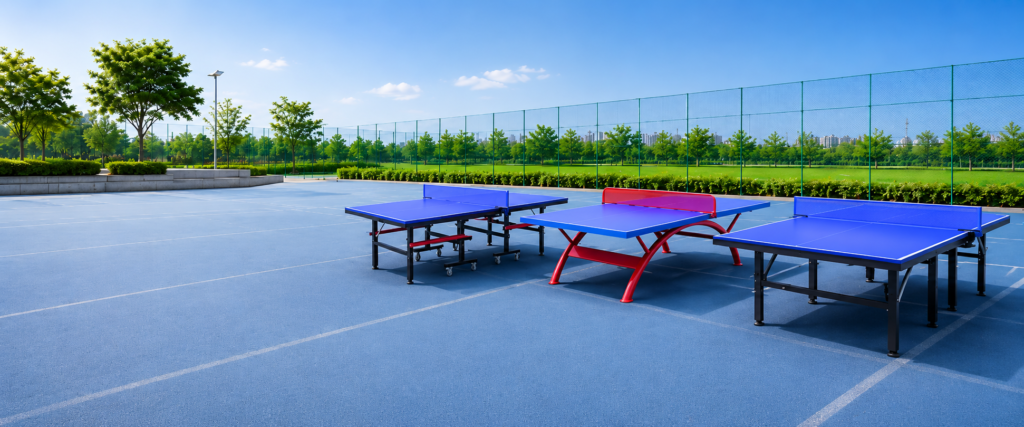
I use this guide for buyers who want fewer mistakes before placing a bulk order. Table tennis tables look simple from outside. But once you check bounce, MDF thickness, SMC structure, frame welding, folding hardware, wheels, carton strength, and target user group, product choice becomes much more serious. Here’s why. A cheap table may look fine in photos yet fail after shipment or after several months of use. A better table should support your sales channel, not create after-sales pressure.
| Buying Area | What I Check | Why It Matters |
|---|---|---|
| Use scene | Home, club, school, match, outdoor project | Helps match product level with buyer need |
| Tabletop | MDF or SMC, thickness, finish | Affects bounce and user feel |
| Frame | Steel tube size, welding, support points | Affects stability and shipping safety |
| Carriage | Folding type, wheels, locks | Affects storage and daily use |
| OEM needs | Color, logo, carton, line color | Helps fit brand and retail channel |
What Are Buyer Decision Points for Table Tennis Tables?
Many importers focus on one spec. That often leads to wrong products for their market and weak repeat sales.
B2B buyers should check three core points: tabletop thickness, material, and finish; supporting frame strength; and table carriage system. These factors decide bounce, stability, transport safety, storage convenience, and resale value.
Tabletop Thickness, Material, and Surface Treatment
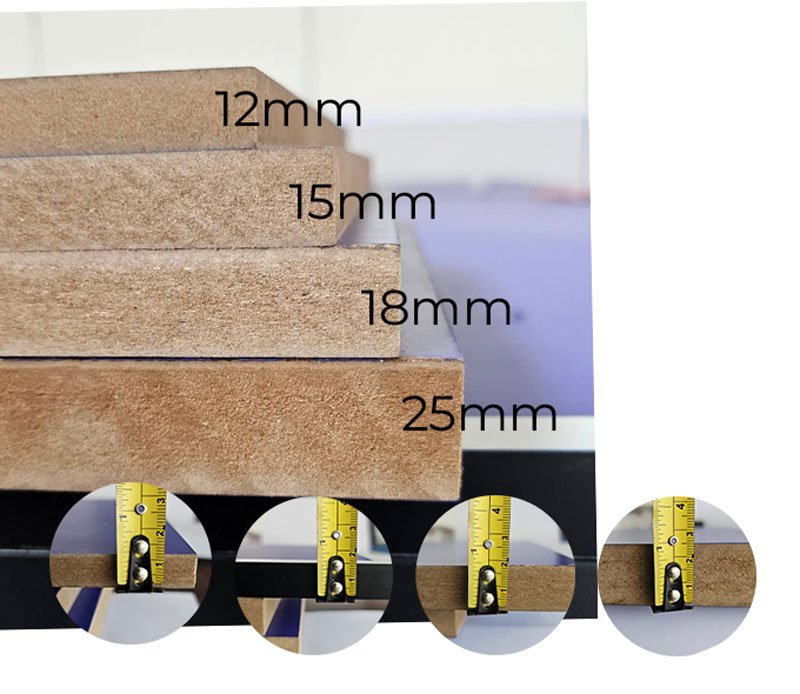
I always start with tabletop choice because players feel this part right away. For indoor tables, BRYSU Sports uses MDF with common options such as 12mm, 15mm, 18mm, and 25mm. Thicker MDF usually gives better bounce and stronger feedback. A 12mm board can work for entry-level home use. A 15mm board suits schools or basic training. An 18mm board fits club training and better retail programs. A 25mm board sits closer to premium indoor use.
For outdoor tables, BRYSU Sports uses SMC material. SMC works better in outdoor settings because buyers need resistance against moisture, sunlight, and public use. Some outdoor panels may look thin, such as 5mm molded SMC, but molded ribs and support structure can make a big difference. Buyers should not judge outdoor tables by thickness alone.
Surface treatment also matters. Matte finish reduces glare and gives players better visual comfort. Polishing and surface control affect touch, bounce, and factory appearance. I prefer buyers to review tabletop sample photos and production details before confirming a container order.
Supporting Frame Strength
A strong support frame keeps both table halves flat and steady. During shipping, it also protects product from carton pressure and rough handling. For indoor tables, I check frame structure, steel tube quality, welding points, leg support, safety locks, and wheel bracket strength.
For outdoor tables, I check fixed base options, anti-rust finish, ground-mounted structure, and support under SMC panels. Weak frames create wobbling. Wobbling creates complaints. Complaints reduce repeat orders.
Table Carriage System
Carriage system means folding, moving, locking, storing, and supporting. For schools and clubs, foldable tables with wheels usually make daily handling easier. For home use, foldable tables without wheels can reduce cost. For outdoor public areas, fixed structure may work better because movement creates risk.
The practical point is simple. Product choice should follow use scene. I rarely suggest one table for every buyer. A distributor selling home goods has different needs from a contractor supplying outdoor public parks.
| Decision Point | Indoor Buyer Focus | Outdoor Buyer Focus | B2B Risk If Ignored |
|---|---|---|---|
| Tabletop | MDF thickness and bounce | SMC structure and durability | Poor user feedback |
| Surface | Matte finish and polish | Weather-resistant surface | Glare or wear issues |
| Frame | Folding support and stability | Fixed strength and coating | Wobbling or damage |
| Carriage | Wheels, locks, storage | Fixed base or heavy-duty movement | Safety complaints |
How Should Buyers Decide Usage Scenario Before Product Selection?
A table that works for a home user may fail in a club. A club table may cost too much for mass retail.
Buyers should define usage scene before choosing specs. Home, club, school, youth, match, indoor, and outdoor needs require different tabletop thickness, frame strength, mobility design, packaging, and price level.

Home Use Table Tennis Tables
For home-use orders, I usually focus on value, folding safety, compact storage, and a clean retail look. Many family buyers want a playable table that does not take too much space. They may not need a 25mm professional tabletop. A 12mm or 15mm MDF table can fit entry-level channels, depending on target price and buyer expectation.
Home tables often need carton design that sells well in retail stores or online. A nice color box, clear accessory pack, and easy assembly parts can reduce customer service problems. If you sell through e-commerce, carton strength becomes serious because single-piece delivery can be rough.
Club Training Table Tennis Tables
Club tables need stronger bounce and better support. Players hit more balls, move around more, and expect a stable table. I usually suggest 18mm MDF or higher for better training use. Frame strength should match board thickness. A thick board on a weak frame still causes trouble.
School and Youth Table Tennis Tables
Schools care about safety, storage, budget, and easy movement. Youth programs may need standard-size tables or compact options. Wheels, brakes, folding locks, and rounded corners deserve careful review.
Match and Event Table Tennis Tables
For event-style orders, buyers usually care about bounce consistency, appearance, stability, and fast setup. Heavy-duty frame design and smooth folding action help staff work faster.
Indoor Use or Outdoor Use
Indoor MDF tables should stay away from wet outdoor settings. Outdoor SMC tables suit parks, campuses, public sports areas, and open-air training zones. The buyer should define location before choosing material.
| Usage Scenario | Suggested Table Type | Main Buyer Concern | Common Spec Direction |
|---|---|---|---|
| Home | Indoor MDF foldable | Price and storage | 12mm or 15mm MDF |
| Club | Indoor MDF with strong frame | Bounce and stability | 18mm or 25mm MDF |
| School | Foldable with wheels | Safety and movement | 15mm or 18mm MDF |
| Youth | Standard or compact | Size and safe handling | Custom size option |
| Outdoor project | SMC table | Weather and fixed use | SMC with strong support |
What Table Size Options Fit Different Markets?
Wrong size creates sales friction. Buyers may order standard tables while their channel needs compact tables for homes or youth programs.
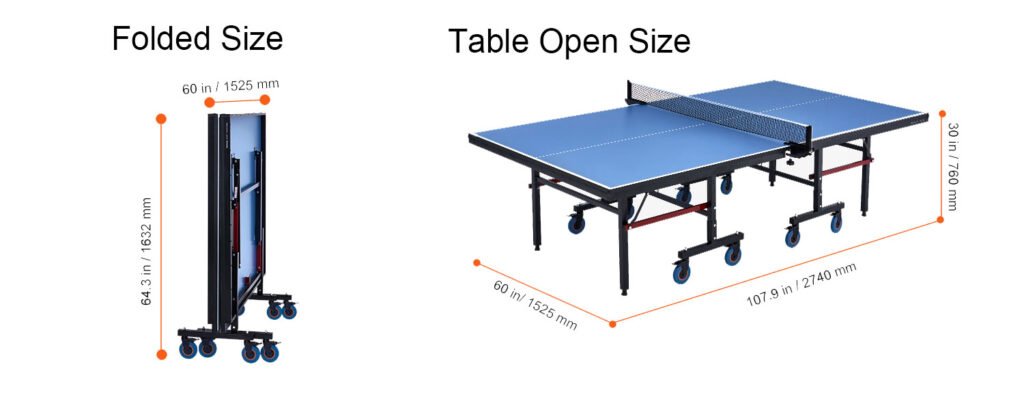
Most wholesale programs use standard international table size, while some home, youth, and promotion markets need compact sizes. Buyers should confirm user group, room space, package size, and selling channel before choosing size.
Standard International Size Table Tennis Tables
For many B2B orders, standard-size tables remain core product choice. Standard size gives users a familiar play experience and makes sales communication easier. Schools, clubs, gyms, and training centers often prefer standard size because players expect normal table dimensions. Distributors also like standard size because product description becomes simple, and accessories such as nets and posts fit without much confusion.
A standard table also supports stronger positioning. If a buyer sells sporting goods to schools or clubs, undersized tables may feel less serious. For a wholesale buyer, that can affect trust. I usually suggest standard tables when buyer channels include sports retailers, club suppliers, school tenders, or training centers.
But standard size brings practical issues. Packaging becomes larger. Container loading needs a careful plan. Warehouse handling needs more space. Shipping damage may happen if carton protection is weak. So I never look at size alone. I review tabletop thickness, frame design, packing method, and loading plan together.
Compact Table Tennis Tables for Youth and Home Use
Compact tables can make sense for home, youth, and gift channels. These tables may sell well where apartments are smaller or families want casual play. A compact table is easier to store and easier to move. It may also reduce freight pressure. But buyers should be clear about user expectation. If customers expect full-size play, compact size may lead to complaints.
For youth training, compact size can help young players start earlier. For online retail, smaller cartons may reduce delivery risk. For promotion channels, compact options can support lower price points. Still, a compact table should not look flimsy. Stable legs, clean surface, and safe folding design remain needed.
Here’s a practical rule I use. If buyer targets schools or clubs, standard size should lead. If buyer targets families or online entry-level customers, compact size can work. If buyer targets both, a mixed product line may be safer than one table trying to fit every customer.
| Size Type | Best Use | Buyer Benefit | Buyer Risk |
|---|---|---|---|
| Standard size | Schools, clubs, training centers | Familiar play feel and easier B2B sale | Larger carton and freight pressure |
| Compact size | Home, youth, online retail | Easier storage and lower shipping pressure | May not match serious play needs |
| Custom size | Promotions or special channels | Fits local market request | Needs clear sample approval |
| Mixed range | Distributors with many channels | Covers more users | Requires better inventory planning |
Which Indoor MDF Table Tennis Table Options Should Buyers Choose?
Some buyers think all MDF tables feel similar. That mistake can turn a low-cost order into weak market feedback.
Indoor MDF table choice usually depends on thickness. BRYSU Sports offers common MDF options such as 12mm, 15mm, 18mm, and 25mm, helping buyers match price range, bounce need, and user level.
12mm MDF Tabletop
A 12mm MDF tabletop suits entry-level home use and price-sensitive retail channels. I use this option when buyers want a lower selling price and casual play experience. It can work for basic family entertainment, small stores, and promotion programs. Buyers should not present it as a high-performance training table. That would create wrong expectation.
A 12mm table needs a reasonable frame. Even at entry level, weak support makes bounce feel worse and creates shaking. Carton protection should still be reviewed because thin boards can suffer from poor handling.
15mm MDF Tabletop
A 15mm MDF tabletop gives better feel than 12mm while keeping cost under control. It can suit schools, home buyers who want better quality, and entry training programs. I often see this as a balanced option for distributors building mid-low range lines.
The practical advantage comes from easier selling. It feels more solid than many budget tables and can still meet price targets for many markets.
18mm MDF Tabletop
An 18mm MDF tabletop suits club training, school programs, and better retail channels. Bounce quality improves. User confidence improves too. Buyers who want fewer complaints often move from 15mm to 18mm because difference can be felt during play.
Frame design should also move up. A strong tabletop needs matching legs, support rails, and carriage hardware.
25mm MDF Tabletop
A 25mm MDF tabletop fits premium indoor programs. It suits serious training rooms, clubs, and buyers who want higher perceived value. Cost rises and weight rises, so logistics need attention. For B2B buyers, 25mm only makes sense when target users accept higher pricing.
| MDF Thickness | Common Use | Buyer Positioning | Key Check |
|---|---|---|---|
| 12mm | Home entry level | Budget table | Frame and carton strength |
| 15mm | School and casual training | Better entry option | Bounce and folding safety |
| 18mm | Club and training | Mid-range or better | Stronger support frame |
| 25mm | Premium indoor use | High-level product | Weight, frame, loading plan |
What Should Buyers Know About Outdoor SMC Table Tennis Table Options?
Outdoor tables face weather, public use, and rough handling. A weak material choice can shorten service life fast.
Outdoor table tennis tables often use SMC material. Buyers should check molded structure, thickness range, support ribs, surface finish, frame coating, and fixed or foldable system before bulk purchase.
SMC Tabletop Material for Outdoor Use
SMC material suits outdoor settings because outdoor tables face moisture, sunlight, temperature changes, and public use. I use SMC as a practical option when buyers supply parks, schools, campuses, resorts, public sports areas, or community centers. SMC differs from indoor MDF. MDF should not be used outdoors because water and humidity can damage board structure.
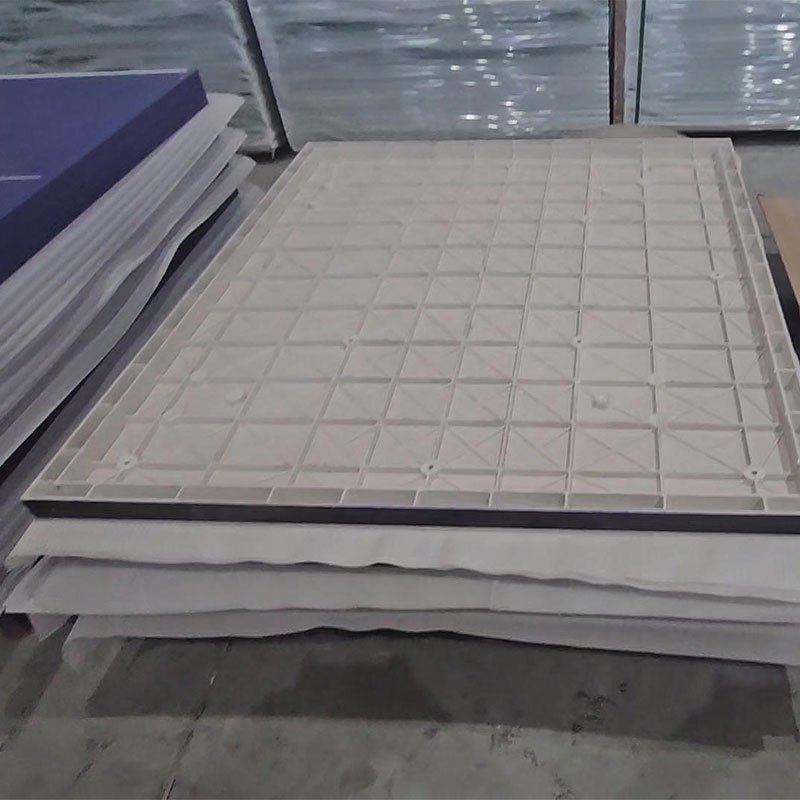
Buyers should ask for real product structure, not only one simple thickness number. Outdoor SMC panels often depend on molded ribs, support points, table frame, and installation method. A 5mm SMC molded tabletop may have a cross-rib structure under it. That structure can support strength without making a flat solid panel too heavy.
5mm SMC Molded Tabletop Structure
A 5mm SMC molded tabletop can be suitable when design includes enough support ribs and a stable frame. Buyers should check panel underside photos, sample weight, table flatness, and play feel. If a supplier only gives surface photos, I would ask for underside details. The underside tells you more about strength.
5mm–25mm SMC Thickness Range
Some outdoor SMC tables may offer thicker panels or special structures. A thicker panel can look stronger, but structure still matters. For outdoor projects, I review panel design, frame, legs, ground fixing method, and surface treatment together.
Cross-Rib Structure for Outdoor Stability
Cross-rib structure can improve support under panel surface. It helps reduce bending and supports outdoor strength. For B2B orders, this part should be checked before sample approval. Once mass production starts, changing molded structure becomes difficult.
| Outdoor Option | Best Use | What I Check | Buyer Benefit |
|---|---|---|---|
| 5mm molded SMC | Parks and schools | Rib structure and frame support | Practical outdoor choice |
| Thicker SMC | Heavy-duty projects | Weight and fixing design | Stronger product feel |
| Fixed SMC table | Public areas | Ground base and coating | Better long-term placement |
| Foldable SMC table | Flexible outdoor use | Locks, frame, wheels | Easier storage and movement |
How Does Tabletop Thickness Affect Bounce Performance?
Buyers often ask for thicker tabletops without checking use scene. That can raise cost without fixing frame or packing issues.
Tabletop thickness affects bounce height, feedback, stability, and product level. Thicker indoor MDF boards usually provide better rebound, but material quality, frame strength, and surface finish also shape play experience.
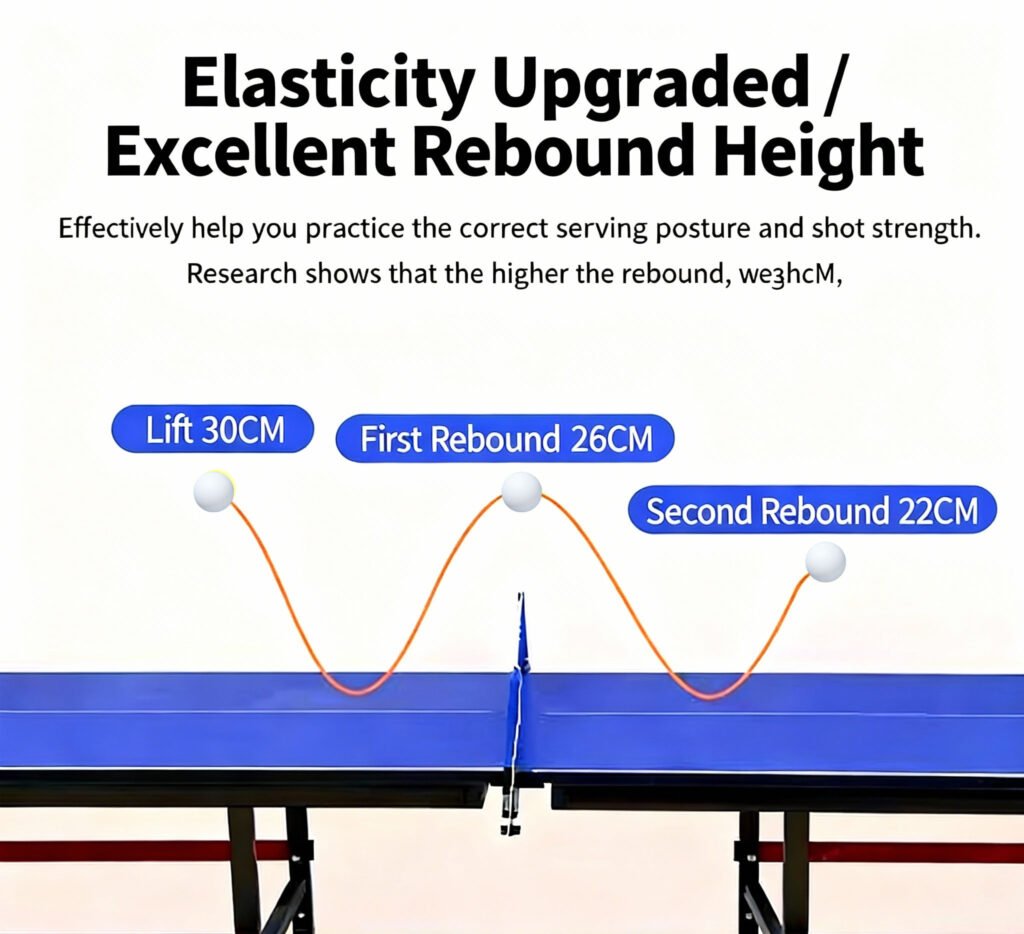
How Thickness Affects Ball Bounce
Tabletop thickness affects how ball energy returns after impact. In simple words, thicker MDF often gives a more stable and stronger bounce. A thin board may feel lighter and softer. A thick board may feel more solid and more suitable for training. This does not mean every buyer should choose 25mm. It means buyer should match thickness with user need and selling price.
For home entertainment, 12mm or 15mm may work. For training and club markets, 18mm gives better confidence. For premium indoor use, 25mm becomes more attractive. I always connect thickness with market level. A buyer selling budget tables should avoid high-cost specs that local customers will not pay for. A buyer selling to clubs should avoid low-cost boards that reduce product trust.
How Material Affects Table Feedback
Material choice changes feedback too. MDF and SMC behave differently. MDF gives better indoor playing feel in many cases. SMC offers outdoor resistance and molded structure value. A buyer should not compare MDF and SMC by thickness alone. A 15mm MDF indoor table and a 5mm molded SMC outdoor table serve different use scenes.
How Buyers Should Match Thickness with Market Level
I suggest building a product ladder. Use 12mm for budget home lines, 15mm for better entry-level sales, 18mm for clubs and schools, and 25mm for premium programs. This ladder helps distributors quote different channels without confusing customers.
| Thickness Area | Main Effect | Best Buyer Use | My Factory Check |
|---|---|---|---|
| Thin MDF | Lower cost and lighter handling | Home entry level | Flatness and support frame |
| Medium MDF | Better value and play feel | School and basic training | Bounce and surface finish |
| Thick MDF | Stronger feedback | Club and premium use | Frame strength and packing |
| SMC structure | Outdoor resistance | Parks and outdoor projects | Molded ribs and base support |
Why Does Tabletop Surface Treatment Matter?
A table can have good thickness and still feel poor if surface finish creates glare or uneven ball response.
Tabletop surface treatment affects visual comfort, bounce response, product appearance, and user trust. Matte finish, polishing, anti-glare handling, and line quality all matter for wholesale table tennis tables.

Matte Surface Finish
Most table tennis tables use a matte surface because players need clear sight during play. Strong reflection can disturb eyes, especially in indoor gyms with bright lighting or outdoor areas with sun exposure. A matte finish reduces glare and gives a cleaner playing experience. I always check surface under light before approving samples because photos may hide reflection issues.
Matte finish also affects product appearance. A smooth matte surface looks more professional and helps retail buyers present product better. If surface looks too shiny, customers may doubt quality even before playing.
Polished Tabletop Surface
Polishing helps create cleaner surface and better touch. It also supports more consistent coating. Poor polishing can create uneven areas, small defects, or rough touch. For B2B orders, these issues may appear small during sample review, but they can grow into complaints when many units reach customers.
I suggest buyers request close-up images or videos during production. A simple surface inspection video can show finish quality, line painting, coating texture, and edge handling.
Anti-Glare Playing Surface
Anti-glare design should be part of user comfort. This matters for clubs, schools, and public projects where lighting conditions vary. A good table should not only bounce well. It should also help players see ball movement clearly.
Surface Color and Line Color Options
Blue table with white line remains common. Green and black can also work for different brand styles. Some buyers ask for orange or purple lines for special retail identity. Color should fit user expectation and brand plan.
| Surface Area | What I Check | Buyer Benefit | Risk If Weak |
|---|---|---|---|
| Matte finish | Reflection control | Better visual comfort | Eye strain and poor feel |
| Polishing | Smoothness and coating base | Cleaner product look | Uneven surface |
| Line quality | Straightness and coverage | Better retail appearance | Cheap look |
| Edge finish | Board protection | Less chipping risk | Damage during handling |
Which Tabletop Colors Should Buyers Choose?
Color seems simple. Yet wrong color can weaken product appeal in a market with clear buyer habits.
Common tabletop colors include blue, green, and black. Line colors often use white, while orange and purple can support special OEM design or brand positioning for selected retail programs.
Blue Tabletop
Blue remains one of the most common table tennis table colors. It looks clean in product photos and fits many modern sports retail channels. Buyers who target schools, clubs, and general sporting goods stores often choose blue because customers already recognize it. Blue also works well with white lines, black frames, and many logo colors.
If a buyer wants stable sales and low risk, blue usually becomes a safe choice. I still suggest checking finish and line contrast because color alone does not mean good surface quality.
Green Tabletop
Green has a more traditional look. Some markets still prefer green because users connect it with classic table tennis rooms and older club setups. Green can work well for schools, clubs, and public sports areas. It can also match outdoor scenes better than blue in some markets.
For green tables, line contrast needs attention. White lines must be clean and visible. If coating shade is too dark or too glossy, ball visibility may suffer.
Black Tabletop
Black can support a more modern retail look. It may work well for private label programs and online product photos. But black surfaces can show dust, marks, and light reflection more clearly. Buyers should test surface finish before choosing black for large orders.
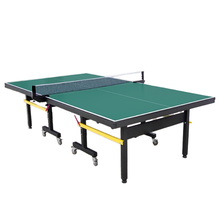
White, Orange, and Purple Line Options
White remains practical because it gives strong contrast. Orange or purple lines may help a brand stand out, but they should not reduce play visibility. For OEM orders, I ask buyers to confirm color samples before mass production.
| Color Choice | Best Use | Visual Result | My Advice |
|---|---|---|---|
| Blue tabletop | General market | Clean and familiar | Safe choice for most buyers |
| Green tabletop | Classic clubs and schools | Traditional sports feel | Check line contrast |
| Black tabletop | Private label retail | Modern product look | Test glare and marks |
| Colored lines | OEM programs | Brand identity | Confirm sample before order |
How Does Supporting Frame Strength Affect Table Tennis Table Quality?
A strong tabletop cannot save a weak frame. Poor support creates shaking, bending, and higher claim risk.
Supporting frame strength affects table stability during play, panel protection during shipping, folding safety, and service life. Buyers should check tube size, welding, support rails, legs, and coating.
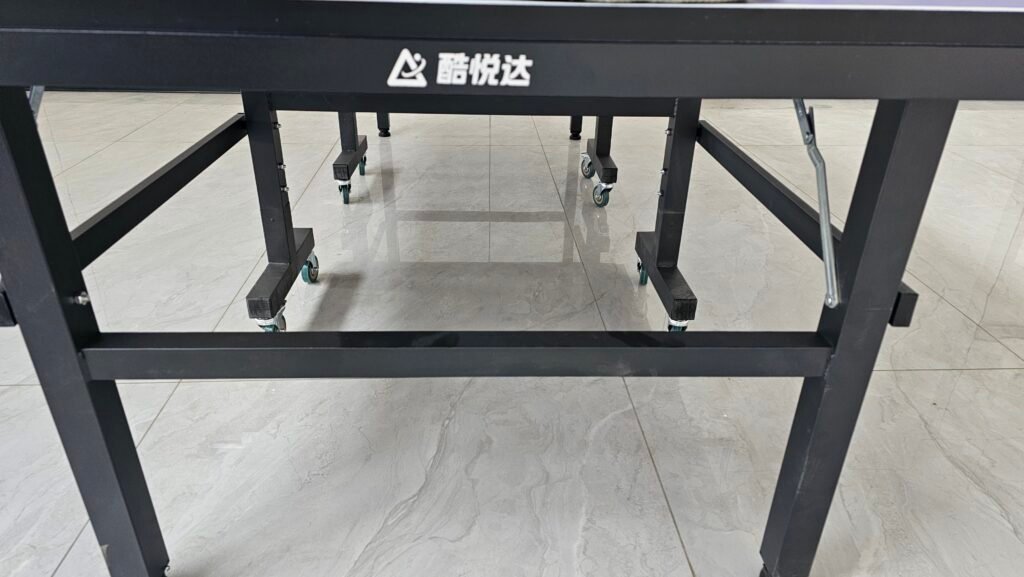
Frame Stability During Play
Players feel frame strength through shaking and table balance. A table can have a thick tabletop, but if frame support is weak, user experience drops fast. I check leg spread, support rail design, hinge points, lock strength, and connection between tabletop and frame. A stable frame helps keep both halves flat and reduces movement during rallies.
For club and school use, frame stability matters even more. Many users play on one table each day. Folding and moving happen more often. Weak hinges or thin wheel brackets can fail earlier than expected.
Frame Protection During Shipping
Frame strength also affects shipping safety. During sea freight, cartons face pressure, vibration, container stacking, and warehouse handling. A stronger frame can protect tabletop panels because support points reduce stress. Weak frames may bend, scratch tabletop, or damage carton from inside.
This point matters for B2B because damage after arrival costs money. Replacement parts, photos, claims, discount requests, and unhappy buyers all reduce profit. A slightly stronger frame may cost more at production stage, but it can reduce after-sales loss.
Steel Frame Structure for Indoor Tables
Indoor tables usually use steel tube frames. Buyers should check tube thickness, coating, welding quality, frame alignment, and folding safety. Powder coating can help appearance and corrosion resistance in indoor environments.
Ground-Fixed Frame Structure for Outdoor Tables
Outdoor fixed tables need stronger base design. Ground-mounted structures should resist movement, public use, and weather exposure. Coating and hardware should match outdoor use.
| Frame Factor | What I Check | Good Result | Bad Result |
|---|---|---|---|
| Tube strength | Tube size and thickness | Better stability | Shaking during play |
| Welding | Clean weld points | Longer service life | Breakage risk |
| Support rails | Panel support layout | Better tabletop flatness | Board stress |
| Coating | Surface finish | Cleaner look and less rust | Rust or scratches |
| Base design | Leg spread and fixing | Safer use | Wobbling |
What Is a Table Carriage System?
Many buyers talk about tabletop specs but ignore how users fold, move, and store each table every day.
A table carriage system includes folding frame, wheels, locks, support legs, storage structure, and movement control. It affects safety, handling, storage, and buyer satisfaction after delivery.
Foldable Table Without Wheels
A foldable table without wheels can suit entry-level home use or places where table movement rarely happens. It can reduce cost and simplify structure. But buyers should still check folding lock safety and leg support. If a customer folds table often, no-wheel structure may feel inconvenient.
For price-sensitive markets, this option can work. I suggest using it only when target users accept manual movement and storage. Carton instructions should be clear, and hardware pack should be organized.
Foldable Table With Wheels
Foldable tables with wheels suit schools, clubs, gyms, training centers, and multi-use rooms. Staff can move tables aside after practice. Wheels should feel strong, roll smoothly, and lock safely. Wheel brackets should not bend under product weight.
I usually check wheel size, brake quality, frame connection, and folding balance. A heavy tabletop with small weak wheels can cause problems. A good wheel system can improve daily user experience a lot.
Fixed Outdoor Table Structure
Fixed outdoor tables suit parks, campuses, public courts, and long-term outdoor projects. These tables do not need daily storage. They need stronger base and better surface resistance. For public areas, safety and tamper resistance matter.
Mobile Storage and Handling System
A carriage system should make handling easy. It should also keep table stable during use. For B2B buyers, this system can decide whether end users feel product is practical or annoying.
| Carriage Type | Best Use | Buyer Benefit | Key Risk |
|---|---|---|---|
| Foldable no wheels | Home and budget channels | Lower cost and simpler packing | Harder movement |
| Foldable with wheels | Schools and clubs | Easy storage and movement | Wheel or bracket failure |
| Fixed outdoor | Public areas | Stable long-term placement | Harder relocation |
| Mobile storage system | Multi-use spaces | Faster room management | Needs strong locks |
Which Indoor Table Structure Options Work Best?
Indoor buyers often need different structures for retail, schools, clubs, and training centers. One frame type cannot fit all.
Indoor table structures usually include foldable models without wheels, foldable models with wheels, and stronger training or club-use carriage systems. Structure choice should follow storage need, user level, and budget.
Foldable Indoor Table Without Wheels
This structure suits home and budget retail orders. It can reduce cost and still offer storage function. Many home users need to fold a table after use, but they may not move it across large spaces. A no-wheel design can work when table weight stays manageable and storage spot is close.
I pay attention to folding hinges, safety locks, and leg stability. If these parts feel loose, users may feel unsafe. For online sales, clear assembly instructions and parts packing matter. A buyer should not save too much on hardware because small parts affect review scores.
Foldable Indoor Table With Wheels
This structure suits schools, clubs, training rooms, and gyms. Users may move tables often. A wheel system can reduce labor and protect floors. Brakes keep tables in place during storage. For a distributor, this option can open more B2B channels because institutions care about easy handling.
Wheel quality should match table weight. A 25mm MDF table needs stronger wheels than a 12mm table. Support brackets should be strong enough for repeated movement.
Training and Club Use Carriage System
Club-use structures should feel solid. They need stronger undercarriage, safer locks, and better balance. In my experience, buyers who serve clubs should not chase low price too hard. Club customers use products heavily and judge quality fast.
A good indoor structure should meet three needs. It should keep table stable during play. It should fold safely. It should move or store easily based on buyer channel.
| Indoor Structure | Best Buyer Channel | Main Benefit | My Checkpoint |
|---|---|---|---|
| Foldable without wheels | Home retail | Lower price and simple storage | Lock and leg stability |
| Foldable with wheels | Schools and gyms | Easy movement | Wheel and brake quality |
| Club carriage system | Training centers | Better stability | Frame strength |
| Premium indoor frame | High-end retail | Strong product feel | Weight and packing |
Which Outdoor Table Structure Options Should Buyers Review?
Outdoor tables need a stronger plan than indoor tables. Weather, public use, and fixed installation change product requirements.
Outdoor table structures usually include fixed ground-mounted tables, foldable tables without wheels, and foldable tables with wheels. Buyers should choose based on location, movement need, safety, and project type.
Fixed Ground-Mounted Outdoor Table
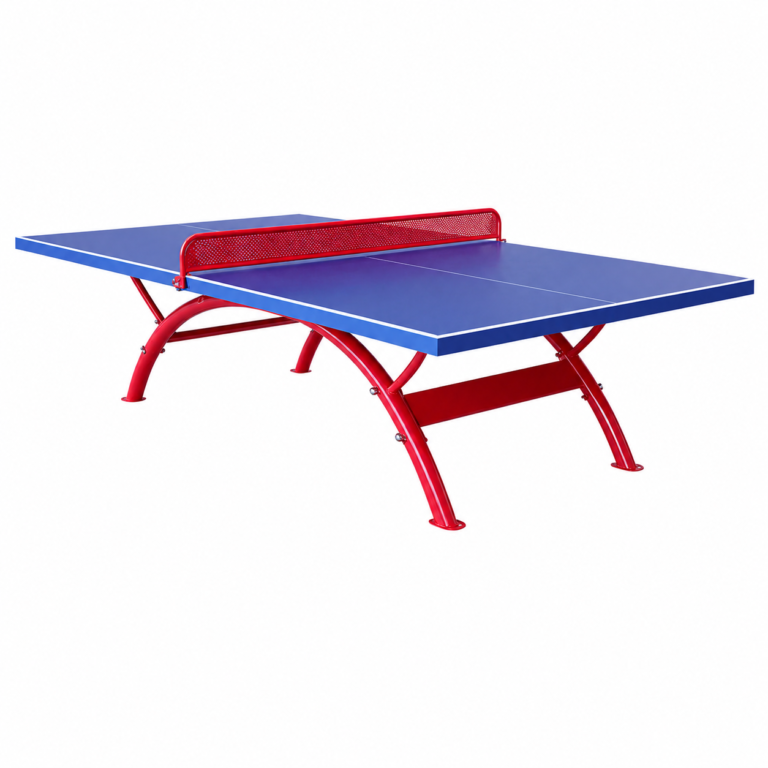
A fixed ground-mounted outdoor table works well for public parks, campuses, resorts, and community sports spaces. These tables should stay in place. They need strong base support and durable surface. Ground fixing can reduce theft risk and movement risk. It can also give a more stable playing setup.
For this structure, I check base plate, installation method, coating, hardware quality, and support under tabletop. Outdoor use can be harsh. Public users may not treat product carefully. A fixed structure should handle that reality.
Foldable Outdoor Table Without Wheels
Some outdoor buyers need folding function but do not need frequent movement. A foldable outdoor table without wheels can work for patios, school yards, or private sports areas. It can reduce wheel-related issues while giving storage function.
But users must still handle weight. If outdoor SMC table is heavy, no-wheel folding may feel difficult. I suggest buyers confirm user handling method before ordering.
Foldable Outdoor Table With Wheels
This option suits flexible outdoor training areas or spaces that change use. Wheels help movement, but they must be strong enough for outdoor floors. Rough ground can damage small wheels. Brake systems should also resist dirt and wear.
For outdoor wheeled tables, I review wheel material, axle strength, bracket design, lock safety, and frame coating. A buyer should not use light indoor wheels for outdoor tables. It may save cost but can create fast failure.
Outdoor structure choice depends on location. Public fixed use needs ground-mounted design. Flexible training needs foldable with wheels. Low-movement private use may accept foldable without wheels.
| Outdoor Structure | Best Use | Main Benefit | Key Check |
|---|---|---|---|
| Fixed ground-mounted | Parks and campuses | Stable and safer placement | Base and hardware |
| Foldable no wheels | Private outdoor areas | Storage without wheel cost | Handling weight |
| Foldable with wheels | Flexible training spaces | Easier movement | Outdoor wheel strength |
| Heavy-duty support | Public projects | Longer service life | Coating and welds |
What OEM and Wholesale Custom Options Should Buyers Confirm?
OEM projects can fail when buyers confirm logo but forget thickness, color, frame, carton, and line details.
OEM table tennis table buyers should confirm tabletop thickness, table color, line color, frame structure, logo position, packaging style, carton marks, and target market level before sample approval.
Tabletop Thickness Customization
Thickness choice should match product level. I ask buyers about market channel before quoting. A buyer selling to clubs may need 18mm or 25mm MDF. A buyer selling entry-level retail may need 12mm or 15mm MDF. For outdoor SMC, I ask about location, usage frequency, and whether table will be fixed or moved.
Sample approval should include thickness measurement, surface review, and bounce testing. Buyers should avoid vague wording like “good quality table.” It creates misunderstanding. Clear specs reduce risk.
Tabletop Color Customization
Blue, green, and black are common. OEM buyers may choose a color that matches brand identity. I suggest confirming physical color sample because screen color can mislead. Lighting also changes visual result. Mass production should follow approved sample.
Line Color Customization
White lines remain common because contrast is strong. Orange and purple can work for special branding. Line color must still support play visibility. A cool-looking color that weakens gameplay may hurt product reviews.
Frame Structure Customization
Frame design should match tabletop weight and user scene. A thicker board needs stronger support. A school table needs reliable wheels. A fixed outdoor table needs strong base. OEM buyers should approve frame drawings or sample photos before production.
Packaging and Logo Customization
Packaging carries brand value and protects product. For e-commerce, carton strength matters. For retail stores, graphic design matters. For wholesale distribution, clear carton marks and accessory organization help warehouse work. Logo can appear on tabletop, frame, net set, carton, or instruction sheet based on buyer plan.
| OEM Item | What Buyer Should Confirm | Why It Matters |
|---|---|---|
| Tabletop thickness | MDF or SMC spec | Matches play level |
| Table color | Blue, green, black, custom shade | Fits market and brand |
| Line color | White or custom line | Supports visibility |
| Frame | Folding, wheeled, fixed | Matches use scene |
| Packaging | Carton, marks, inserts | Protects product and brand |
What Final Buying Notes Should B2B Buyers Follow?
Many table tennis table problems come from unclear specs before order. A simple checklist can prevent costly mistakes.
B2B buyers should match table type with user scene, compare material and thickness, check frame and carriage system, confirm colors and OEM details, then approve samples before bulk production.
Match Table Type with User Scenario
Start with user scene. Home users care about storage and price. Clubs care about bounce and stability. Schools care about safety and movement. Outdoor projects care about weather resistance and fixed installation. Once use scene is clear, product choice becomes much easier.
I usually ask buyers four questions before suggesting a table. Who will use it? Where will it be used? How often will users fold or move it? What selling price does target market accept? These questions help avoid wrong specs.
Compare Tabletop Material and Thickness
Indoor buyers should review MDF options. 12mm works for entry level. 15mm fits better casual use and schools. 18mm suits training and club channels. 25mm fits premium indoor use. Outdoor buyers should review SMC structure, molded ribs, frame support, and surface finish.
Thickness matters, but it does not work alone. Frame strength, finish, and packing must match.
Check Frame Strength and Carriage System
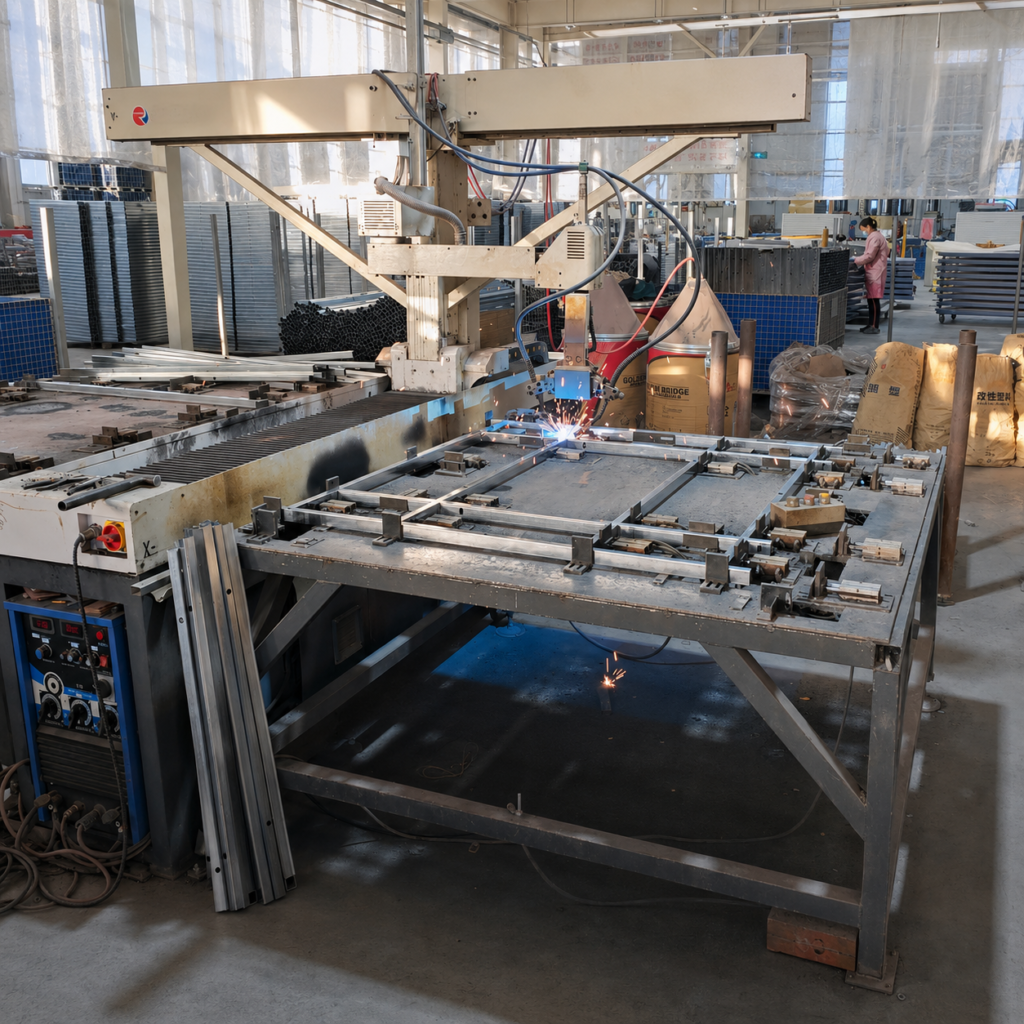
A good frame keeps table stable. A good carriage system makes folding, movement, and storage easier. Buyers should check wheel quality, brake system, locks, support rails, and leg structure. For outdoor tables, base and coating also need review.
Prepare Clear Specifications Before Bulk Order
Clear specifications protect both buyer and factory. I suggest buyers confirm tabletop thickness, material, color, line color, frame type, wheel type, packing method, logo position, carton marks, and sample photos before mass production. This keeps communication clean and reduces dispute risk.
For wholesale and OEM orders, BRYSU Sports can help you choose a practical table tennis table range based on market level, user group, target price, and branding plan. Send your application scene, quantity, preferred material, thickness range, and packaging need. My team can prepare a clear proposal for your next order.
| Buying Step | What I Suggest | Result |
|---|---|---|
| Define user scene | Home, school, club, outdoor project | Better product match |
| Select material | MDF for indoor, SMC for outdoor | Lower wrong-use risk |
| Choose thickness | Match board with market level | Better bounce and price control |
| Review frame | Check support and welding | Better stability |
| Confirm OEM details | Color, logo, carton, line | Cleaner brand presentation |
FAQ
What Tabletop Thickness Should Buyers Choose for Indoor Tables?
Buyers should choose indoor MDF thickness based on user level and selling channel. For entry-level home use, 12mm can work. For better home use, school programs, and basic training, 15mm offers a better balance. For club training and mid-range retail, 18mm gives stronger bounce and better feedback. For premium indoor programs, 25mm fits more serious play and higher retail value.
I do not suggest choosing thickness by habit only. A thicker board raises cost, weight, and packing demand. A thinner board saves cost but may reduce user satisfaction. A good buyer should match thickness with channel, price point, and user expectation. If you sell through online retail, carton safety also matters. If you sell to clubs, frame strength matters even more.
What Material Works Better for Outdoor Table Tennis Tables?
SMC material works better for outdoor table tennis tables because it suits moisture, sunlight, and public use better than MDF. Outdoor tables need material and structure that can handle changing weather. BRYSU Sports uses SMC for outdoor table tennis tables, with molded design options and support structures based on buyer needs.
I suggest checking more than material name. Buyers should review molded ribs, frame support, surface finish, fixed base, coating, and hardware. Outdoor users may be rough. Public areas may expose tables to rain, dust, heat, and heavy use. A strong outdoor table needs a full structure plan, not only one material claim.
Are Thicker Tabletop Panels Better for Bounce?
Thicker indoor MDF panels usually give better bounce and stronger feedback. This is why 18mm and 25mm boards often feel better than thin entry-level panels. But thickness alone does not decide full table quality. A poor frame, bad coating, weak folding system, or poor surface finish can still create bad user feedback.
For B2B buyers, I suggest using thickness as one decision point. Match it with material, surface treatment, frame strength, and carriage system. If your market sells budget family tables, 12mm or 15mm may make sense. If your buyers are schools or clubs, 18mm may be safer. If your channel wants premium indoor products, 25mm can support better positioning.
What Does Table Carriage System Mean?
A table carriage system means the structure that supports folding, movement, locking, storage, and table stability. It includes legs, wheels, support bars, locks, hinges, wheel brackets, and storage position. Buyers often ignore this part, but users touch it every time they move or fold a table.
For home use, a simple foldable structure may work. For schools and clubs, wheels and locks matter a lot. For outdoor public use, fixed structures may be better than movable systems. A good carriage system reduces labor, improves safety, and makes product more practical. I always check carriage design before confirming a table for bulk orders.
Which Table Structure Works Better for Schools and Clubs?
Schools and clubs usually need foldable tables with wheels. These tables allow staff to move and store units after use. They also support training rooms that need flexible space. Wheel strength, brake quality, folding lock safety, and frame stability should be checked carefully.
For schools, safety and easy handling matter. For clubs, bounce and stability matter more. A 15mm or 18mm MDF table with reliable wheels can fit many school programs. A club may prefer 18mm or 25mm with stronger frame. If users move tables often, wheel brackets should be reinforced.
Can BRYSU Sports Customize Table Colors and Line Colors?
Yes. BRYSU Sports can support common tabletop colors such as blue, green, and black. Line colors can use white, orange, purple, or other buyer-requested options based on sample approval and production plan. For OEM programs, buyers can also confirm logo position, frame color, carton design, accessory packing, and retail presentation.
I suggest buyers confirm physical color samples before mass production. Screen color can differ from real coating. Lighting also changes how color looks. For line colors, visibility should come before style. A unique line color may look good in a catalog, but it should still help players see table boundaries clearly.
How Should I Prepare Specifications Before Asking for a Quotation?
You should send target market, indoor or outdoor use, table size, tabletop material, preferred thickness, frame type, wheel need, table color, line color, logo plan, packaging style, and order quantity. This helps a factory quote more accurately and reduces back-and-forth communication.
I also suggest sharing user group. Tell supplier whether products go to home users, schools, clubs, public projects, or retail stores. This helps factory recommend a table that fits real demand. A clear inquiry saves time and gives you a better proposal.
| FAQ Topic | Short Answer | Buyer Action |
|---|---|---|
| Indoor thickness | Choose 12mm, 15mm, 18mm, or 25mm by user level | Match board with market price |
| Outdoor material | SMC suits outdoor use better | Check molded structure and frame |
| Bounce | Thicker MDF usually improves feedback | Review frame and surface too |
| Carriage system | Folding, wheels, locks, storage | Match with daily use |
| School and club use | Foldable with wheels often works best | Check wheel and lock quality |
| OEM colors | Blue, green, black, white lines, custom lines | Approve samples before production |
Final Advice
A good table tennis table order starts with clear use scene, right material, matched thickness, strong frame, safe carriage system, and approved OEM details. Send your target market and specs. BRYSU Sports can help build a practical wholesale table range.
Contact us
Source Table Tennis Tables Directly from a Factory Supplier
Looking for an table tennis table manufacturer for wholesale, OEM branding, or sports project supply?
Send us your required table type, order quantity, logo design, packaging request, and target market. We will recommend a practical indoor table tennis table solution for your business.
Address: Daqilian Industrial Park, Dingzhou City, Hebei Province, China
WhatsApp / WeChat / Mobile: +86 177 5366 7961
Email: sales@brysusports.com
I’m Interested
Contact BRYSU Sports today to get factory-direct pricing and OEM table tennis table options.